Vietnamese immigrants settling in the United States—a place vastly different from Vietnam—often face significant challenges related to language, a new environment, unfamiliar customs, and more. Consequently, they frequently turn to community organizations and those around them for support. Among the places they look to for help are churches and temples, which they already visit regularly for religious services. In this context, “churches” encompass various Christian denominations—such as Catholicism, Protestantism, and Mormonism—while “temples” are typically associated with Buddhism. These sacred spaces serve as places where many Vietnamese people go to pray and seek peace for their families. Beyond their religious function, these institutions also make meaningful contributions to the social and cultural fabric of communities, especially Vietnamese communities in the U.S.
I frequently visit Vietnamese churches and temples across the United States. To learn more about the programs they offer to support the community and preserve culture, I spoke with several individuals at these locations. Trung Tran, a member of the organizing committee for Vietnamese language classes at a temple in Arlington, Texas, explained: “To preserve our culture, the temple hosts Vietnamese language classes for the younger generation, helping them communicate more easily with their parents, grandparents, and other members of the Vietnamese community.” One student added, “This is a great environment for us to cultivate our Vietnamese language skills. It’s both convenient and free, and there’s no pressure like in school.” The temple also offers English as a Second Language (ESL) classes for those looking to improve their English proficiency. I consulted with Mr. Hoang Vu, 54, who has lived in the U.S. for three years. He remarked, “This program is well-suited to our proficiency level and has helped us learn how to communicate in English.”
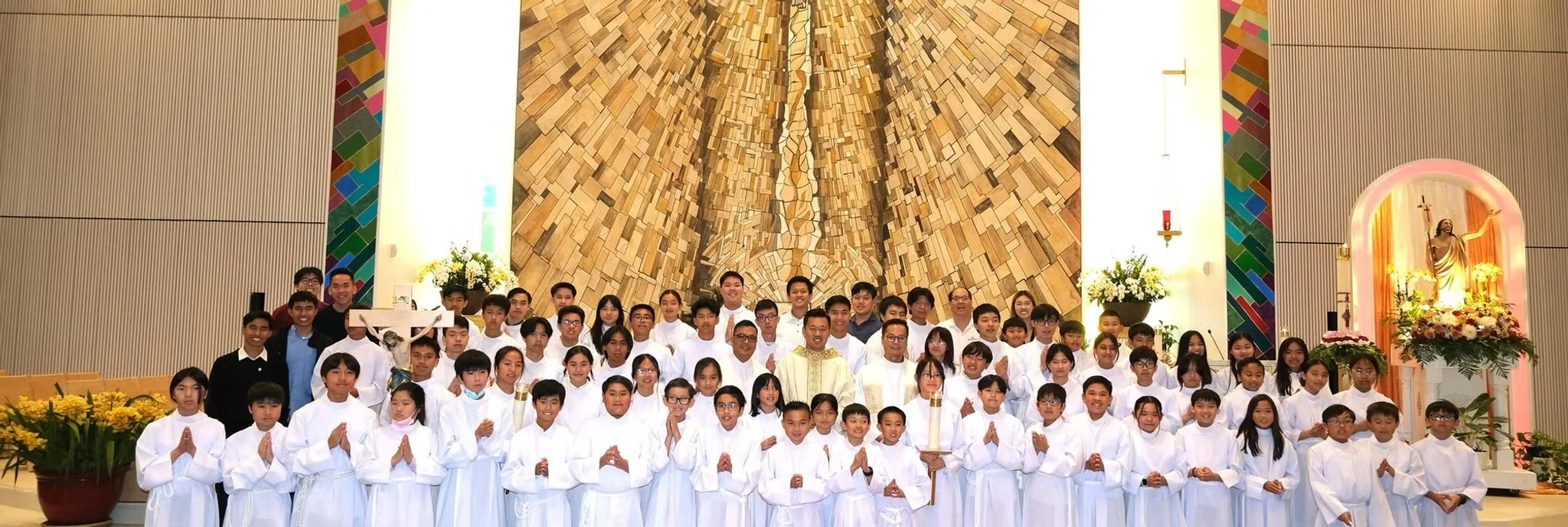
Churches and temples often offer youth classes covering the Bible, Buddhism, and ethics. I asked some young people at a temple in Houston, Texas, “What activities do you participate in besides attending weekly services?” Minh Nguyen, 15, replied, “I’m involved in the scouts, and occasionally we go camping for a few days at a park or the beach.” He added, “These programs help us develop a sense of solidarity and leadership skills.” Furthermore, organizations such as the Vietnamese Eucharistic Youth Movement (VEYM) in Catholic churches and the Buddhist Youth Organization (Gia đình Phật Tử) encourage young people (ages 7–17) to engage in charitable activities, such as cleaning, cooking, and fundraising for their churches or temples. I spoke with Vinh Tran, 16, while he was gardening at the temple with his friends; he noted, “These activities help keep us healthy.” As we can see, these youth-oriented programs foster both mental and physical well-being.
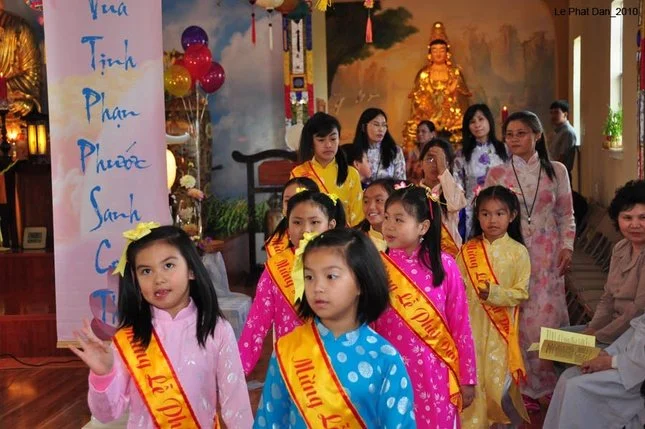
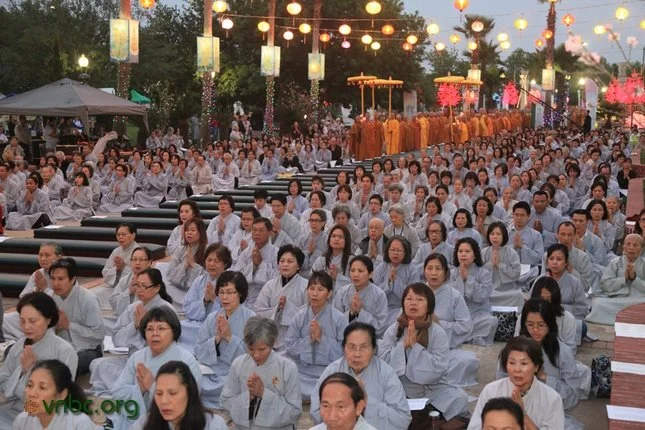
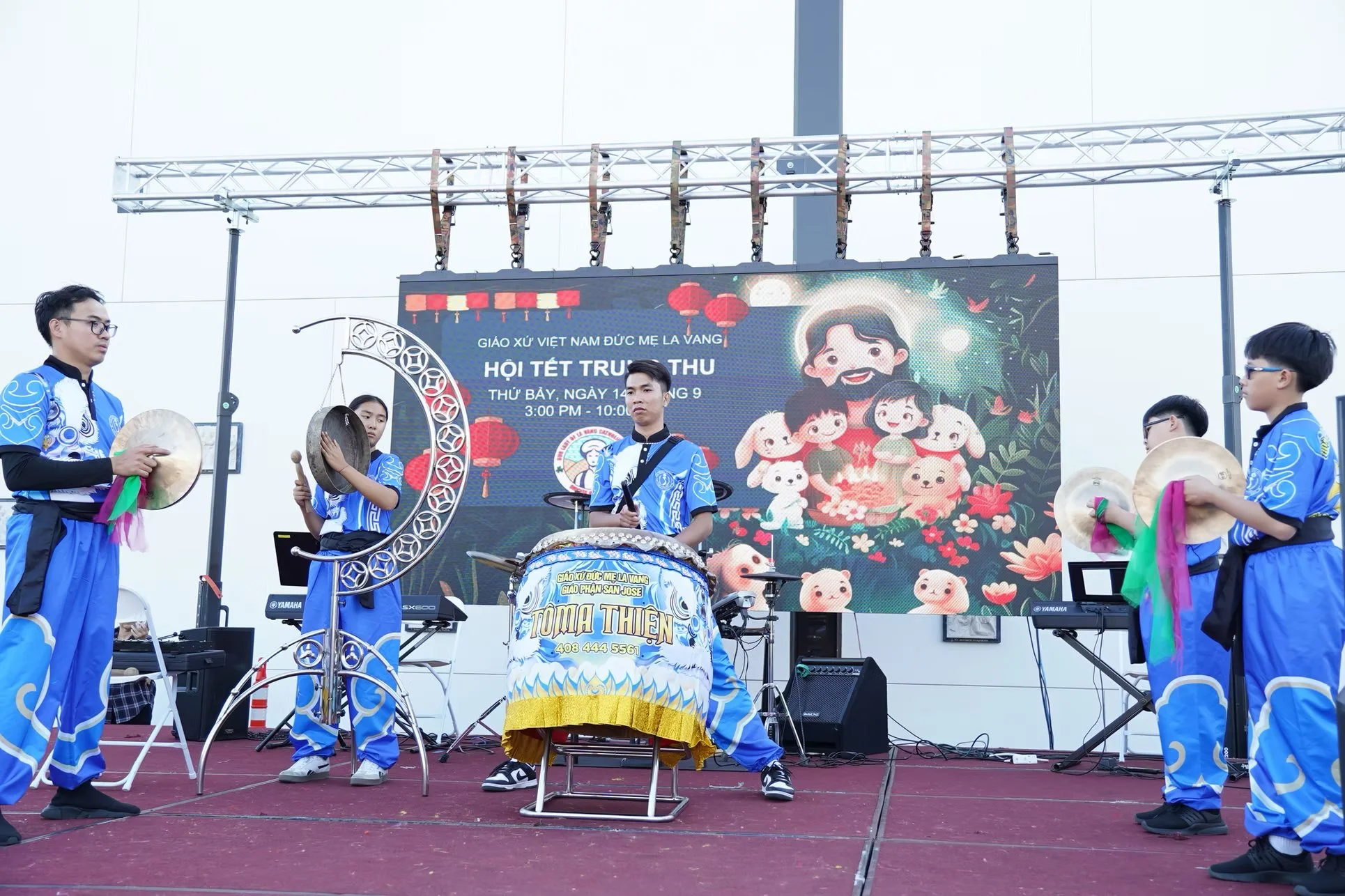
Moreover, these venues frequently host major celebrations, such as the Lunar New Year (Tết), the Mid-Autumn Festival, the Marian Days (Đại Hôi Thánh Mẫu), and the Filial Piety Festival (Vu Lan). These events help the Vietnamese community preserve its traditional customs and practices. An 18-year-old at a Catholic church in Dallas, Texas, shared: “I look forward to and attend these major holidays every year because they make me feel as though I’m back in Vietnam—surrounded by fellow Vietnamese people and a joyful atmosphere.” Khanh Le, 14, who attended the Vu Lan festival at a temple in Houston, Texas, remarked: “Vu Lan has made me feel more grateful for my mother and deepened my love for her.” These observances help young people better understand Vietnamese culture and provide an opportunity for the community to gather and strengthen their bonds.
Furthermore, churches and temples often organize charitable initiatives to support those in need of medical or humanitarian services. They also collaborate with local organizations like Santa Clara County’s Vietnamese American Service Center (VASC), providing health and social-service assistance, such as partnering with the vegetarian restaurant Di Lac to provide vegetarian meals. In addition to VASC, I visited temples in San Jose, California, where free lunches were provided for seniors. Once, I had the chance to speak with 76-year-old Linh Vo. He reflected: “During the meal, I get to socialize with many other seniors. We see it as a way to make friends and share life wisdom with one another.” It serves as an occasion for people to come together and exchange life experiences on a wide range of topics.
Churches and temples also serve as pillars of the community, vital hubs for spiritual and social connection. Kha Le, a 54-year-old San Jose resident, shared: “My family arrived in the U.S. as refugees; the church was a place where we could seek assistance with employment, housing, and various administrative procedures. It was also a space where we could share the challenges we faced upon first arriving in a foreign land.” These places also serve as hubs for mutual support in daily life, hosting events such as weddings, funerals, and longevity celebrations.
The White Sands Buddhist Center in Mims, Florida, has attracted many Americans to participate in its charitable activities, including facility maintenance, gardening, and gift shop management. This also offers Americans an opportunity to gain a deeper understanding of, and contribute to, a Vietnamese religious tradition.
Churches and Buddhist temples in the United States make significant contributions to the broader community, as well as to the overseas Vietnamese community, in the realms of spirituality, culture, and social life. These places offer peace and blessings to those who come to pray, while also connecting individuals to various forms of social support from other people and organizations across the U.S.